Bro. Alberto Parise
Introduction
The GCR initiative, organized by Taproot Earth, brought together community leaders engaged in climate justice, faith communities, and grassroots movements united in urging the Church and global institutions to promote global climate reparations through debt abolition, ecological restoration, and the liberation of communities most affected by the climate crisis.
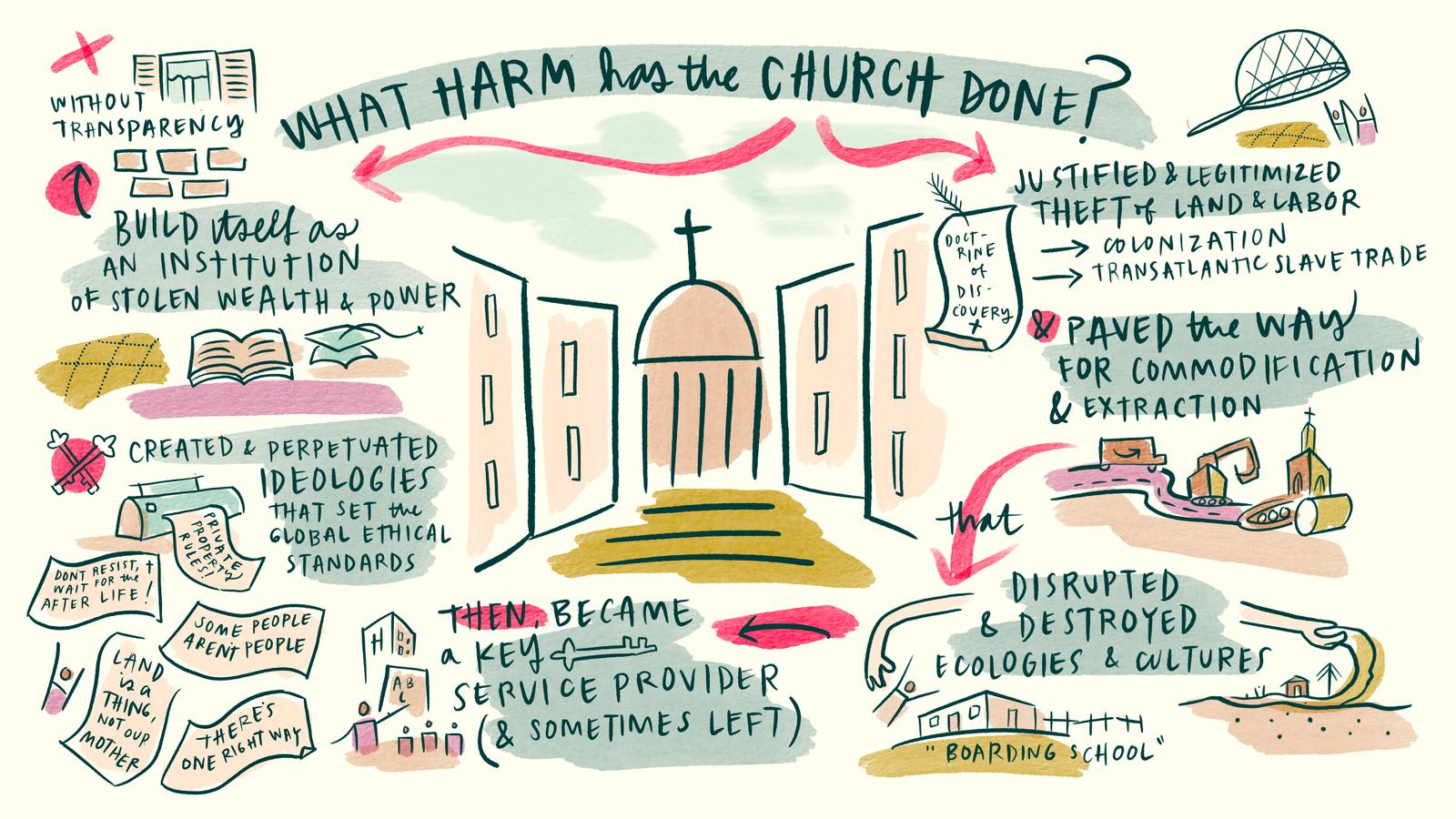
The themes of the jubilee are central to the fight for climate justice, addressing the root causes of the crisis: debt cancellation, land restitution, and liberation from the modern forms of slavery and imprisonment.
The four-day process in Rome was built on preparatory work that led to a declaration on climate reparations, understood as the restoration of healthy and balanced relationships with all beings and everything that makes up our shared global ecosystem. Reparative action begins with those who have benefited the most from historical and present-day systems of oppression. It requires debt abolition, restitution for injustices, and the establishment of accountable systems rooted in the liberation of Black and Indigenous people for all oppressed peoples and future generations.
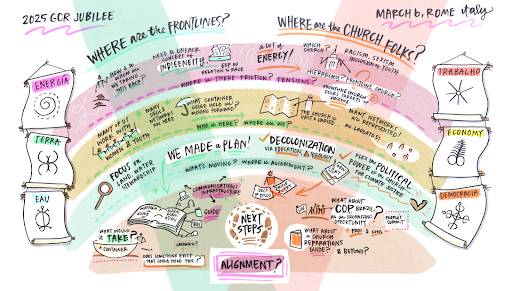
The first day of work provided an opportunity to recognize climate injustice, a necessary step in the healing process for the communities most affected by the crisis. The second day focused on meeting frontline communities to promote solidarity, followed by a day dedicated to spirituality to foster a path of redemption. Finally, there was a day of dialogue on global climate reparations, aimed at discerning the necessary steps and building synergy between locally engaged communities and Catholic organizations.
The Proposed Actions
At the conclusion of the event, the frontline communities leaders proposed the formation of a self-managed grassroots movement; the development of a guide on how to engage and take responsibility; and the creation of a communication platform for the movement to foster grassroots networking, share progress and work done, and build a database for documentation useful for advocacy efforts.
Catholic organizations, for their part, identified two common paths:
- A commitment to decolonization, particularly through educational and training efforts to expose colonial ideologies and promote a decolonial vision and action, while also recognizing the contributions of Catholic communities and organizations in the fight for climate justice.
- T he creation of synergies to leverage advocacy efforts through episcopal conferences, religious congregations, Catholic bodies at COP30, structures such as PILS and MLS, and collaboration with community leaders engaged in climate justice.
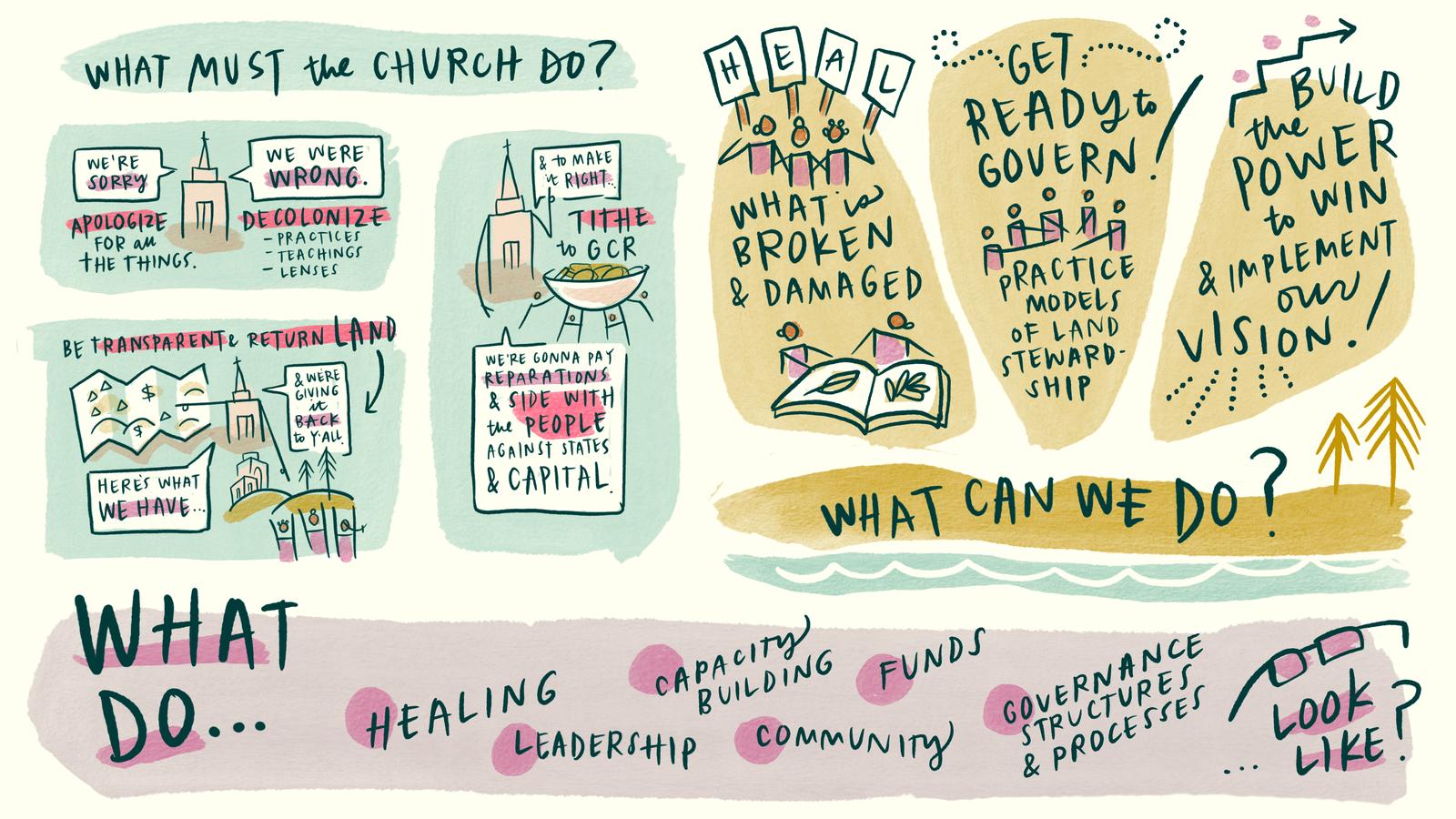
At that point, the plenary started exploring how to synergize the work of the two groups, by detecting convergences and possible alignments between the various commitments participants were ready to make.
At the end of the convention, the organizers (Taproot Earth) invited participants to take outcomes back to their organizations / communities and reflect on what commitments they want to make. On April 9th, participants well meet again online to share and find a way forward. The JPIC Commission, therefore, needs to discern what commitment it is ready to make.
Follow up
As JPIC Commission we saw the opportunity to align our planned activities to the two common paths identified by Catholic organizations at the Jubilee of GCR. In particular,
a. Under decolonization commitment:
= Acknowledging the importance of healing from the impacts of colonialism, which caused and are still causing psychological trauma, we see the necessity to bring this reality to full awareness. There is need to create a safe space to talk about it and also to acknowledge mistakes of the past and present. One point that emerged vigorously in the convention, is that recognizing these realities is essential for the process of healing and empowering people to take their life back in their hands.
= Education: raise critical awareness about neo-colonialism and contrasting its ideologies and socio-economic structures
= Promote the inculturation of the social teaching of the Church: even though historically the social teaching of the Church reflects a perspective of the Western Church, it is emerging a significant alignment with the perspective of Indigenous Peoples (cf. Laudato si’, Querida Amazonia, Laudate Deum, etc.). It is possible to create a space for engagement of communities of the Global South to engage and dialogue with the social teaching of the Church starting with their lived experience and struggle for climate reparations.
= Promote the dignity of indigenous knowledge and value it in the process of climate reparations: this is an essential step in the process of decolonization of the mind.
b. Under the advocacy commitment:
= Support the claims of Indigenous Peoples at COP30
= Promote the global campaign on Debt Cancellation (“Turn Debt into Hope” )
= Amplifying the voice of frontline communities
c. Connect Catholic frontline communities and initiatives with the movement for GCR.
In consideration of the constrain of resources, especially personnel, and of the commitments (planned activities) that the JPIC Commission has already made, it is feasible to contribute to the GCR movement mainly by acting as a bridge between frontline communities and Catholic initiatives, rather than starting new activities. For example, we can identify what activities already planned would align or converge with GCR.