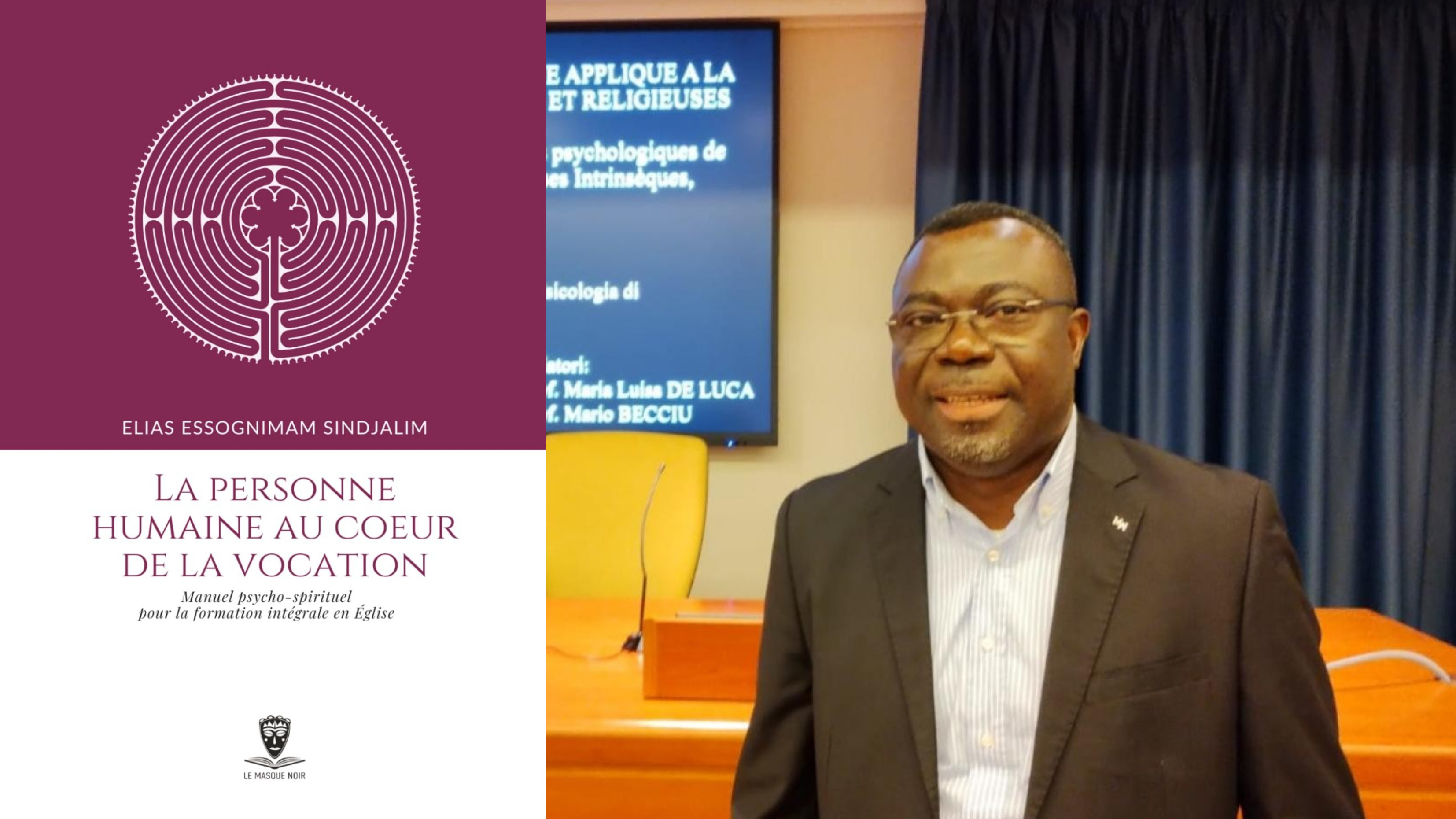
A vocation may be deeply authentic, sustained by generosity and inspired by a demanding ideal, yet remain insufficiently integrated into the person as a whole. When it is not firmly rooted in personal history, affective life, and the psychological dynamics of the individual who embraces it, it risks resting on fragile foundations. Over time, long-unrecognized inner tensions may emerge as disillusionment, exhaustion, an identity crisis, or a questioning of vocational commitment.
In response to these challenges, this book calls for moving beyond approaches to formation that tend to separate spiritual growth from human and psychological maturation. Building on the contributions of Luigi M. Rulla, Alessandro Manenti, Franco Imoda, and Amedeo Cencini, it advances an integrative understanding of formation as a gradual process of unifying every dimension of the person around Christ, the living center and unifying principle of consecrated life. From this perspective, personal aspirations, strengths, wounds, and vulnerabilities are not extraneous to the vocational journey; rather, they are dimensions to be acknowledged, understood, and integrated into a process of human and spiritual growth.
Combining scholarly rigor, anthropological depth, and spiritual openness, this book is addressed to seminarians, women and men in religious formation, and those entrusted with their formation and accompaniment. It seeks to provide theoretical and practical guidance for fostering integral formation that respects the uniqueness of each person and nurtures more authentic inner freedom, greater affective maturity, and a fully embraced vocational commitment.